Essential Skills and Their Importance in Today’s World (600 Words)
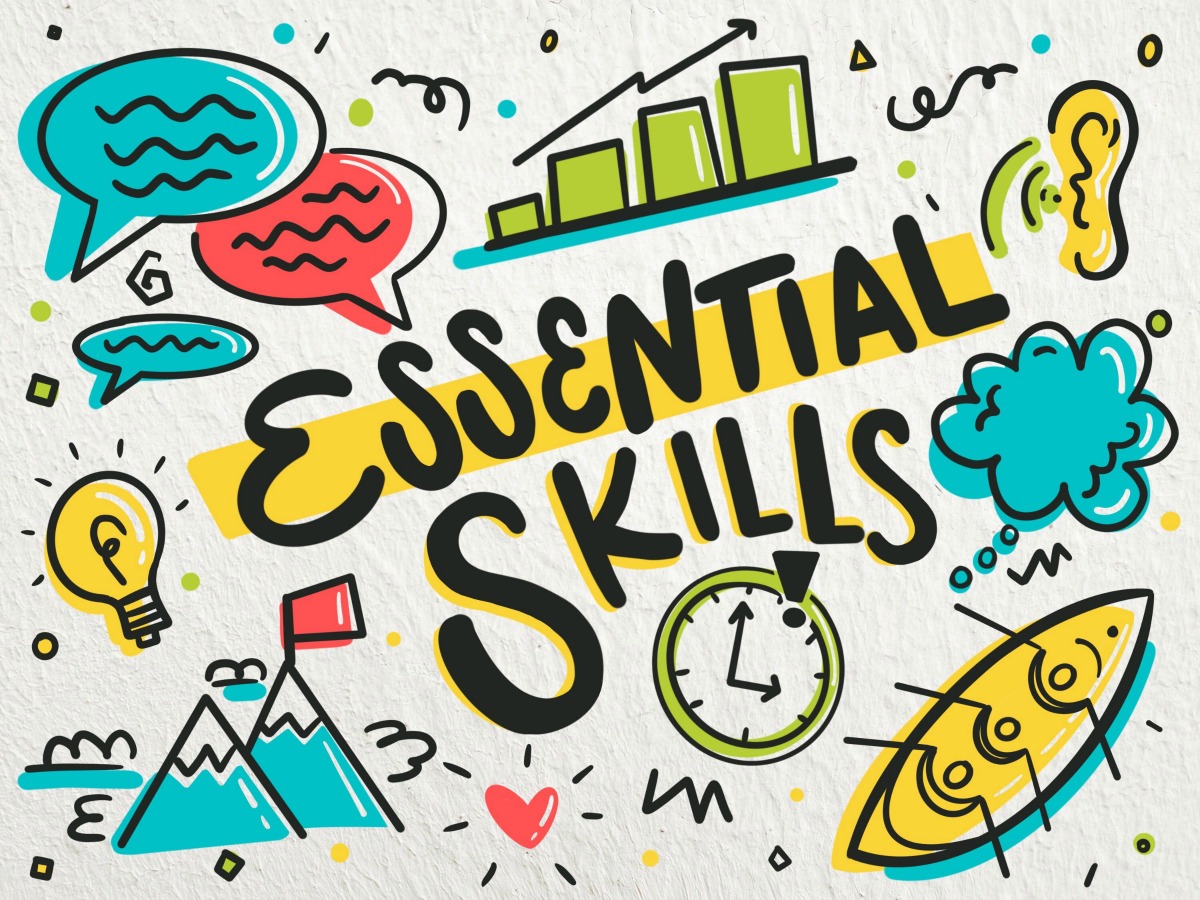
In an increasingly competitive and fast-changing world, possessing essential skills is critical for both personal and professional success. These skills go beyond academic qualifications or technical expertise; they encompass a combination of cognitive, interpersonal, and practical abilities that enable individuals to adapt, communicate, and perform effectively in various environments. The most vital essential skills include communication, critical thinking, problem-solving, teamwork, adaptability, digital literacy, and emotional intelligence.
1. Communication Skills
Effective communication is one of the most fundamental skills required in every aspect of life. It involves the ability to express ideas clearly, listen actively, and convey information appropriately through verbal, nonverbal, and written means. Good communicators are able to present their thoughts confidently, persuade others, and build positive relationships. Listening is an equally vital part of communication—it helps individuals understand different perspectives and respond thoughtfully. In professional settings, strong communication skills enhance teamwork, customer service, and leadership effectiveness.
2. Critical Thinking
Critical thinking refers to the ability to analyze information objectively, evaluate evidence, and make reasoned judgments. In a world overflowing with data and opinions, critical thinkers can distinguish between fact and bias, identify logical connections, and make informed decisions. This skill encourages curiosity, creativity, and open-mindedness. For example, in business, critical thinking helps in assessing market trends, solving complex problems, and making strategic decisions. In everyday life, it enables individuals to make sound choices and avoid being misled by misinformation.
3. Problem-Solving Skills
Closely linked to critical thinking, problem-solving is the ability to identify challenges, generate possible solutions, and implement the most effective one. It requires creativity, logical reasoning, and persistence. A good problem solver approaches challenges methodically—defining the issue, exploring alternatives, and evaluating outcomes. This skill is highly valued in the workplace because organizations constantly face obstacles that require innovative solutions. Beyond professional life, problem-solving abilities foster resilience and independence, helping individuals handle difficulties constructively.
4. Teamwork and Collaboration
In nearly every field, success depends on the ability to work well with others. Teamwork involves sharing ideas, respecting diverse opinions, and cooperating to achieve common goals. Effective collaboration requires empathy, active participation, and conflict resolution skills. Individuals who excel in teamwork understand that collective efforts often produce better results than individual contributions alone. Moreover, working collaboratively enhances creativity, builds trust, and improves productivity in organizations.
5. Adaptability and Flexibility
The rapid pace of technological advancement and globalization demands adaptability—the capacity to adjust to new conditions and embrace change positively. Flexible individuals are open to learning, willing to take on new roles, and able to perform under pressure. Adaptability ensures long-term employability, as industries continuously evolve. For instance, employees may need to learn new software, adapt to remote work, or handle organizational changes. On a personal level, adaptability fosters resilience and emotional stability in the face of uncertainty.
6. Digital Literacy
In the 21st century, digital literacy is no longer optional; it is essential. This skill involves understanding and using digital technologies effectively, from basic computer use to advanced data analysis and online communication. Digital literacy also includes awareness of cybersecurity, online ethics, and digital collaboration tools. Individuals with strong digital skills can navigate the modern workplace efficiently, access global information, and participate fully in the digital economy.
7. Emotional Intelligence (EQ)
Emotional intelligence is the ability to recognize, understand, and manage one’s own emotions while empathizing with others. High EQ enables individuals to handle stress, communicate compassionately, and build strong relationships. In leadership, emotional intelligence enhances motivation, conflict management, and team morale. On a personal level, it contributes to better mental health and self-awareness.
Conclusion
In summary, essential skills are the foundation of personal growth, professional achievement, and lifelong learning. While technical knowledge is important, it is these core competencies—communication, critical thinking, problem-solving, teamwork, adaptability, digital literacy, and emotional intelligence—that truly empower individuals to succeed in the modern world. By developing and continuously refining these skills, one can navigate challenges confidently, contribute meaningfully to society, and thrive in any environment.
- Teacher: Admin User